Concord eDiscovery, Scanning & Data Collection

Southern California's Finest for over 27 years & counting

Request a Free Professional Consultation  (213) 745-3175
eDiscovery · Scanning · Forensic Data Collection · Online Attorney Review · Printing
Serving top law firms and corporations since 1996  
  • About Us
    • Meet Concord
    • Our Blog
    • Testimonials
  • Services
    • Data Collection
    • Deposition Officer Services
    • Managed Services
  • Data Collection
    • Remote Iphone Data Collection
    • Discovery Data Collection
  • E-Discovery
    • What is E-Discovery?
    • Legal Hold, How to handle
    • RelativityOne On-AI-Review
      • Relativity Amplifies Your Efforts with Computer Assisted Review
    • Online Review
    • ESI Calculator
    • Data Mapping in E-Discovery
    • Production of Electronially Stored Information Agreement
  • Scanning
    • On-Site
  • Legal Copying
    • Trial Exhibit Binders
      • How to Prepare a Trial Exhibit Notebook
      • Stanley Mosk Trial Exhibit Binders Delivered Overnight
      • First Street Federal Courthouse Trial Exhibit Binders
    • Electronic Bates Numbering
    • Legal Copying Services
  • Contact Us

Seven Steps of the E-Discovery Process

September 30, 2014

Seven Steps of the E-Discovery Process

 Call (800) 246-7881

In the e-discovery process, you must perform certain functions for identifying and preserving electronically stored (ESI), and meet requirements regarding conditions such as relevancy and privilege. Typically, you follow this e-discovery process:

 1. Create and retain ESI according to an enforceable electronic records retention policy and electronic records management (ERM) program.

 Enforce the policy and monitor compliance with it and the ERM program.

2. Identify the relevant ESI, preserve any so it cannot be altered or destroyed, and collect all ESI for further review.

3. Process and filter the ESI to remove the excess and duplicates.

 You reduce costs by reducing the volume of ESI that moves to the next stage in the e-discovery process.

4. Review and analyze the filtered ESI for privilege because privileged ESI is not discoverable, unless some exception kicks in.

5. Produce the remaining ESI, after filtering out what’s irrelevant, duplicated, or privileged.

 Producing ESI in native format is common.

 6. Clawback the ESI that you disclosed to the opposing party that you should have filtered out, but didn’t.

 Clawback is not unusual, but you have to work at getting clawback approved, and the court may deny it. (see article dated 12/12/12, www.federalevidence.com)

7. Present at trial if your case hasn’t settled.

 Judges have little to no patience with lawyers who appear before them not understanding e-discovery and the ESI of their clients or the opposing side.

 If you’re looking for expert advice on the steps of the e-discovery process or are looking to hire a professional, call Concord at  (800) 246-7881


[qcf]

Filed Under: Blog Tagged With: clawback, data, data collection, document, ediscovery

RSS Concord eDiscovery, Scanning & Data Collection

  • Onsite Legal Scanning for Active Matters June 24, 2026
    Onsite legal scanning helps law firms secure records, speed review, and preserve chain of custody for active matters, audits, and trial prep. The post Onsite Legal Scanning for Active Matters appeared first on Concord eDiscovery, Scanning & Data Collection.
  • Trial Binders for Stanley Mosk Superior Court June 23, 2026
    Trial binders for Stanley Mosk Superior Court prepared fast, accurately, and court-ready with tabs, exhibits, copies, and overnight delivery support. The post Trial Binders for Stanley Mosk Superior Court appeared first on Concord eDiscovery, Scanning & Data Collection.

E-Discovery Services

Document Scanning

Legal Copying

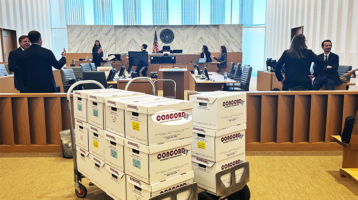
Concord will print & deliver straight to the Federal Courthouse.

Copyright © 2026 · Enterprise Pro Theme On Genesis Framework · WordPress · Log in