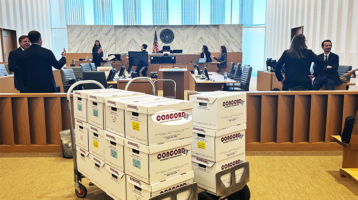
In the context of legal proceedings, “case discovery” refers to the pre-trial phase where parties involved in a lawsuit exchange information and evidence to build their cases. This process, governed by rules like the Federal Rules of Civil Procedure in the U.S., aims to prevent surprises at trial and promote fair resolutions. Data collection is a critical early step in this phase, particularly in electronic discovery (eDiscovery), where electronically stored information (ESI) is gathered from digital sources. ESI includes emails, documents, databases, social media, cloud storage, and more.
Data collection ensures that relevant evidence is identified, preserved, and obtained in a defensible manner to avoid spoliation (destruction or alteration of evidence) claims. Poor collection practices can lead to sanctions, increased costs, or weakened case positions.
Key Stages of Data Collection in Discovery
Data collection fits into the broader Electronic Discovery Reference Model (EDRM), which outlines the workflow for handling ESI. Here’s a breakdown of the main stages relevant to collection:
| Stage | Description | Key Activities |
|---|---|---|
| Identification | Pinpoint potential sources of relevant data and custodians (individuals who may hold information). | Assess devices (e.g., laptops, phones), systems (e.g., servers, cloud accounts), and data types. Conduct interviews or surveys to map data locations. |
| Preservation | Issue legal holds to prevent data deletion or modification. | Notify custodians via memos or software tools; suspend auto-deletion policies in email systems or backups. |
| Collection | Gather the identified data using forensically sound methods to maintain chain of custody and metadata integrity. | Use specialized tools to extract data from sources like email servers, mobile devices, or databases. Methods include targeted collections (focusing on specific files) or full imaging (copying entire drives). |
| Processing | Prepare collected data for review by filtering, deduplicating, and converting formats. | Remove system files, apply search terms, and index data for efficient analysis. |
Best Practices for Effective Data Collection
To optimize the process and minimize risks:
- Develop a Case Strategy First: Align collection with the case’s goals to avoid over-collection (gathering irrelevant data, which inflates costs) or under-collection (missing key evidence). For example, use targeted queries based on keywords, date ranges, or custodians.
- Use Proportionality: Collect only what’s reasonably necessary, balancing relevance against burden and cost, as per legal rules.
- Leverage Technology: Employ tools like forensic imaging software (e.g., EnCase, FTK), remote collection platforms, or AI-driven analytics to handle large volumes efficiently.
- Handle Structured Data: For databases or spreadsheets, export in native formats to preserve relationships and formulas.
- Incorporate Sampling: For massive datasets, review a statistically valid sample (e.g., 2,345 documents from a million for 95% confidence) to estimate relevance and refine searches.
- Ensure Compliance and Defensibility: Document every step, including tools used and decisions made, to defend the process in court if challenged.
- Consider Investigative Platforms: Use data platforms for preliminary searches to understand the data landscape before full collection, aiding smarter discovery requests.
Common Challenges and Solutions
- Volume and Variety: Modern data is vast and scattered. Solution: Prioritize sources and use automation.
- Privacy and Security: Sensitive data (e.g., personal info) requires redaction. Solution: Apply data protection protocols like GDPR or HIPAA compliance.
- Cost Management: Collections can be expensive. Solution: Outsource to eDiscovery vendors or use self-service tools for smaller cases.
- Structured vs. Unstructured Data: Databases (structured) need different handling than emails (unstructured). Solution: Specialized extraction methods.
Tools and Methods for Discovery Requests
Common discovery tools include:
- Interrogatories: Written questions requiring sworn answers.
- Requests for Production: Demands for documents or data.
- Depositions: Oral questioning under oath.
- Requests for Admissions: Statements to admit or deny facts.
For unrepresented parties, agencies like the EEOC provide guides on exchanging information fairly.