A custodian can leave a company on Friday, reset an iPhone over the weekend, and start a new job Monday. That reality is shaping the future of remote legal collections more than any single technology trend. Legal teams need to preserve and collect data quickly, without sacrificing chain of custody, privacy controls, or the ability to explain each step under scrutiny.
Remote work did not eliminate the need for physical evidence handling. It expanded the evidence environment. Matter files may sit in Microsoft 365 or Google Workspace, while critical communications reside in text messages, personal devices, collaboration platforms, local drives, and cloud storage accounts. A defensible collection strategy must account for all of it.
The Future of Remote Legal Collections Is Hybrid
The most reliable collection model is not fully remote or fully onsite. It is hybrid by design. Remote tools can preserve and acquire accessible cloud and endpoint data efficiently, while trained personnel remain available for situations that require direct handling, onsite scanning, device custody, or immediate production support.
For a routine preservation matter involving cooperative custodians and centrally managed systems, remote collection may be the fastest and most proportionate choice. For a trade secret dispute, internal investigation, employment matter, or regulatory inquiry, the risk profile may demand forensic imaging, targeted device acquisition, or an onsite collection performed under documented protocols.
The decision should be driven by the facts, not by a preference for convenience. Legal teams should consider the nature of the allegations, the likelihood of spoliation, the volume and location of potentially relevant data, custodian cooperation, applicable privacy obligations, and the timeline for review or production.
Remote Does Not Mean Informal
A remote collection can be defensible, but only when it follows a documented process. Sending a custodian instructions to forward emails or upload files may be expedient, yet it often leaves significant gaps. It can alter metadata, omit deleted or hidden information, miss relevant folders, and provide little assurance that the collected population is complete.
A stronger workflow identifies the data source, establishes legal authority, preserves the source before collection where appropriate, records the collection method, validates the output, and maintains a clear audit trail. The process must be repeatable whether the custodian is working from a home office in Los Angeles, traveling overseas, or sitting in a corporate location.
Cloud Data Will Drive Collection Strategy
The center of gravity for legal collections has shifted toward cloud-based business systems. Email is still central, but it is no longer the only record of decision-making. Teams, Slack, Zoom, shared drives, project-management tools, HR platforms, and enterprise applications may hold communications and documents that do not exist anywhere else.
This creates a practical challenge: each platform has its own retention settings, export capabilities, permissions structure, and metadata behavior. A collection plan that treats all cloud data as ordinary email exports can create avoidable defensibility issues.
Legal and IT teams should establish source-specific protocols before a matter arises. Those protocols should identify the system owner, the available preservation options, the approved collection method, the expected metadata, and the steps needed to validate completeness. Where data is collected through administrative access or an application interface, the team should retain records that show the account scope, date range, search parameters, and export results.
The future will favor organizations that know their data map before the hold notice is issued. A current map reduces delays, limits overcollection, and helps counsel make informed proportionality decisions early in the matter.
Mobile Devices Require Forensic Discipline
Mobile devices continue to create some of the highest-risk collection scenarios. Text messages, encrypted messaging applications, call logs, photographs, location information, and app data can be relevant to litigation or an investigation. The same device may also contain deeply personal information, protected health information, privileged material, or confidential business data from another employer.
Remote collection technology can reduce disruption for a custodian, particularly when a targeted acquisition is appropriate. But the method matters. Screenshots and self-selected exports rarely provide the same evidentiary value as a properly documented forensic collection. They can exclude context, obscure timestamps, and leave questions about authenticity.
A proportionate mobile workflow begins with scoping. Counsel should determine what information is potentially relevant, whether the device is company-issued or personally owned, what consent or policy authority applies, and whether a full image or targeted extraction is justified. A qualified provider can then collect the necessary data while documenting device condition, acquisition method, hashes where applicable, and transfer of evidence.
For sensitive matters, speed is critical. Devices change constantly. Messages may disappear, application data may rotate, operating systems may update, and custodians may replace or reset hardware. Early preservation guidance and immediate access to forensic capability can materially affect the evidence available for review.
Security and Privacy Are Collection Requirements
As remote collection expands, so does the obligation to protect data during transfer, storage, processing, and review. A collection workflow is not defensible merely because it captures relevant information. It must also control access to sensitive information and support applicable legal, contractual, and regulatory obligations.
The following controls should be part of the operating standard, not an afterthought:
- Documented chain of custody from preservation through production
- Secure transfer methods and controlled storage environments
- Role-based access for legal, IT, outside counsel, and service providers
- Written procedures for handling personal, regulated, and privileged data
- Validation records that confirm collected data is complete and usable
Privacy concerns do not always prevent collection. More often, they require better scoping, segregation, access controls, and review procedures. This is especially true when matters involve employee devices, cross-border custodians, healthcare records, financial data, or government information.
Collection and Review Must Work Together
A collection is only the first operational step. If the data cannot move efficiently into processing, attorney review, and production, legal teams lose the time gained at the front end. The future of remote legal collections will be defined by connected workflows that carry data from preservation through defensible production without unnecessary handoffs or conversion problems.
That does not mean every matter needs the same platform or collection method. A narrow employment dispute may call for targeted email, mobile, and cloud collection followed by focused attorney review. A large regulatory response may require broad enterprise collection, early data assessment, analytics, RelativityOne-based review, rolling productions, and strict reporting to outside counsel or agency stakeholders.
The key is to plan backward from the legal objective. Ask what must be produced, what evidence may be challenged, how quickly counsel needs visibility, and what format the review team requires. Those answers should guide collection scope and technical choices.
What Legal Teams Should Build Now
The organizations best prepared for remote collections will not wait for a dispute to establish the basics. They will maintain a tested data inventory, clear escalation paths between legal and IT, approved preservation notices, and vetted procedures for cloud, endpoint, and mobile data.
They will also distinguish between ordinary collections and high-risk matters. Not every request needs a forensic examiner, but every request needs a defensible rationale. Routine workflows can be standardized. Exceptions involving suspected misconduct, departing executives, deleted data, personal devices, or sensitive regulated records should trigger enhanced oversight.
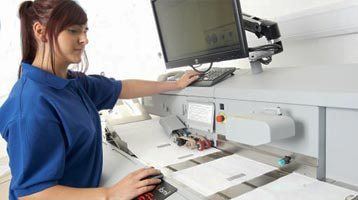
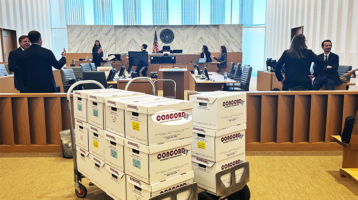
Vendor readiness also matters. When deadlines are measured in hours, legal teams need a provider that can coordinate remote data capture, onsite support, forensic collection, scanning, Bates labeling, review preparation, and trial exhibit production without forcing the matter through disconnected vendors. Concord Document Technologies supports these connected legal workflows with experienced personnel, secure handling practices, and 24/7 production capacity for matters where timing and precision are nonnegotiable.
Remote legal collections will continue to expand because the modern evidence environment is dispersed. The practical objective is not to make every collection remote. It is to make every collection proportionate, documented, secure, and ready to withstand the questions that come later.